
Outsourcing overseas can be a game-changer for businesses, offering cost savings, access to global talent, and increased efficiency. However, it also comes with significant risks, especially when it comes to data security. Protecting sensitive information is crucial to avoid breaches, legal issues, and reputational damage. Here’s a straightforward guide to safeguarding your data when outsourcing overseas.
How to Ensure Customer Data Security with an Offshore Team
Outsourcing overseas can truly transform a business by unlocking cost savings, tapping into global expertise, and boosting efficiency. Yet, it’s not without its challenges, particularly when it comes to safeguarding data.
In today’s landscape, where customer data security is more critical than ever, businesses need to stay alert to key trends like rising cyber threats and shifting regulatory standards. Ensuring the protection of sensitive information isn’t just a best practice—it’s essential to prevent breaches, legal complications, and harm to your reputation.
Understanding Customer Information
Customer information encompasses a wide range of sensitive data that businesses collect and manage. This includes names, addresses, phone numbers, email addresses, social security numbers, and credit card details—essential pieces of information often gathered during transactions, customer support interactions, or marketing efforts.
Because this sensitive data can be used to identify or contact individuals, it is a prime target for cybercriminals. Businesses must treat customer information with the utmost care, ensuring it is securely stored, only accessible to authorized personnel, and protected from unauthorized access or disclosure.
Proper handling of customer information is not just a legal obligation, but a critical component of maintaining customer security and trust.
Why is Protecting Your Customer Data More Important than Ever?
Customer data protection is at the heart of building a trustworthy business. Every day, companies handle vast amounts of sensitive information, from personal details to financial records, making data protection a top priority. A single data breach can expose customer data, leading to identity theft, financial loss, and lasting damage to your business’s reputation.
To prevent such incidents, businesses must implement robust customer data protection strategies that combine technical safeguards, administrative controls, and physical security measures. By prioritizing the confidentiality, integrity, and availability of customer data, companies not only comply with regulations but also foster customer trust and loyalty.
Here are the Things You Need to Know to Ensure Customer Data Security Before Outsourcing
Understand the Risks
Before outsourcing, it’s essential to recognize the potential threats. Data breaches, where unauthorized parties access sensitive information, are a primary concern. Compliance issues, such as violations of data protection laws like GDPR or HIPAA, can lead to hefty fines.
Additionally, outsourcing often means a loss of control over how your data is handled, which can increase vulnerability. Understanding these risks helps you prepare and implement the right safeguards.
Sign a Robust Contract
A well-drafted contract is essential for protecting your data. Include specific data protection clauses that outline how your data should be handled and stored. Confidentiality agreements are crucial to ensure that employees and third parties cannot share your data.
Additionally, define penalties for breaches or non-compliance to hold the provider accountable. This legal document sets clear expectations and ensures accountability.
Encrypt Your Data
Encryption is one of the most effective ways to protect data. Ensure that data in transit is secured using protocols like SSL/TLS, which safeguard information as it’s transferred. For data at rest, encrypt files stored on servers or devices. Even if data is intercepted, encryption makes it unreadable to unauthorized parties, providing an extra layer of security.
Limit Access to Data
Adopt the principle of least privilege to minimize risks. Restrict access to only the data necessary for the task at hand. Use role-based permissions to ensure employees can only access what they need for their specific roles.
Additionally, monitor activity by tracking who accesses your data and when. This approach reduces the risk of internal breaches and ensures tighter control over sensitive information.
Ensure Compliance with Local Laws
Different countries have different data protection regulations, so it’s crucial to ensure compliance. Verify that your provider adheres to both local and international laws. Take the time to understand the regulations in the country where your data is stored. Non-compliance can lead to hefty fines and legal trouble, so this step is non-negotiable.
Conduct Regular Audits
Data security is not a one-time effort—it requires ongoing attention. Regularly assess your provider’s security measures to ensure they’re following agreed protocols. Test for vulnerabilities to identify and address potential weaknesses. Review access logs to check for any unauthorized activity. Proactive monitoring helps catch issues before they escalate into major problems.
Have a Response Plan
Despite your best efforts, breaches can still happen. Be prepared by creating an incident response plan that outlines the steps to take in case of a breach. Communicate clearly and promptly with affected parties to maintain transparency and trust. Use the experience to learn and strengthen your security measures. A swift response can mitigate damage and restore confidence.
Educate Your Team
Your employees play a key role in data protection. Provide training on best practices for handling sensitive data securely. Teach them to recognize threats like phishing scams and encourage them to report suspicious activity immediately. A well-informed team is your best defense against potential risks.
Choose a Reputable Partner
To ensure your data is in safe hands, do your due diligence. Check the provider’s track record for a proven history of data security. Look for certifications like ISO 27001, which demonstrate compliance with international standards.
Don’t hesitate to ask for references and speak to their current or past clients about their experience. A trustworthy partner is your first line of defense.
Outsourcing overseas doesn’t have to mean compromising on data security
By choosing the right partner, implementing strong safeguards, and staying vigilant, you can protect your data while reaping the benefits of global collaboration. Remember, data security is an ongoing process that requires attention and adaptation.
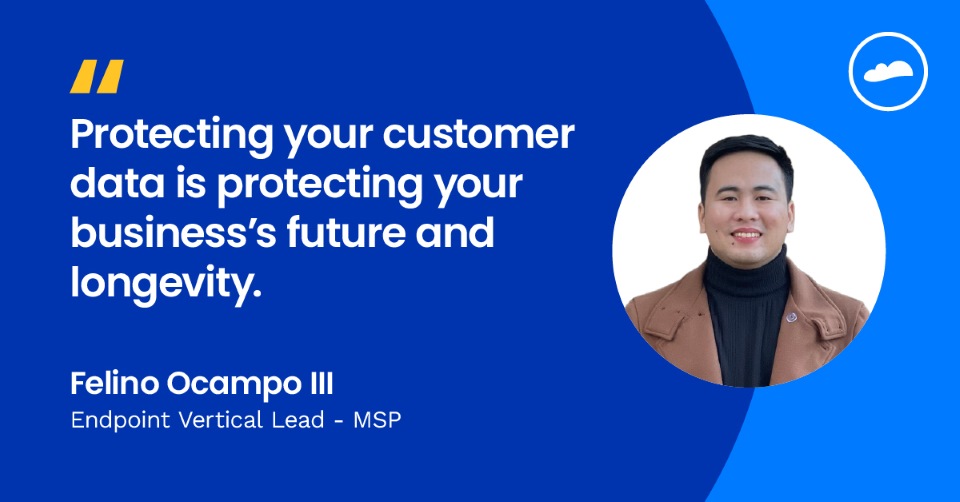
Take these steps seriously, and you’ll not only safeguard your business but also build trust with your clients and partners. Protecting your customer data is protecting your business’s future and longevity.
About the Author
Felino Ocampo III is Endpoint Vertical Lead-MSP at Cloudstaff with over 10 years of experience in IT infrastructure, cloud solutions, and network administration. Specializing in Microsoft Azure, Microsoft 365, and Windows Server, he designs and manages secure, scalable IT environments. Known for leading successful cloud migrations and optimizing enterprise systems, John leverages emerging technologies to enhance security, efficiency, and business growth. His expertise and strategic approach make him a trusted leader in IT innovation.
Your customers’ data is your priority—make it ours too. See how Cloudstaff delivers.